
Sports of millions. Awkward questions about cricket!
Hundreds of millions of people around the world are crazy about cricket. And most of them are indifferent to other sports. They make cricket the second most popular sport in the world after soccer, and it is steadily overtaking all other team games, from baseball to hockey, in terms of the number of devoted fans.
Although cricket is barely known outside the former British Empire, it is a religion in countries with a combined population of around 2 billion people. They’ve heard of Messi and probably know who Pele is. But in their hearts forever are Sachin Tendulkar and Ricky Ponting, and in their Instagram feeds are Virat Kohli and Joe Root.
Kohli, the Indian national team captain, is steadily cramming Bollywood stars atop the popularity rankings and earning $25 million a year as Liverpool’s top scorer, Mo Salah.
Ex-captain Sachin has near-divine status in India. And former Pakistan national team leader Imran Khan now leads the entire country as prime minister. Australia is minting coins bearing the portrait of the legendary Don Bradman, and the British Queen is knighting former English captain Alistair Cook.
For the right to broadcast England’s championship, television stations have shelled out a record $1.5 billion. Tickets for good seats cost from $100, and from the hands go up to several thousand for an important match.It seems there is something in this game, since it has captured the hearts of a third of the world’s population.
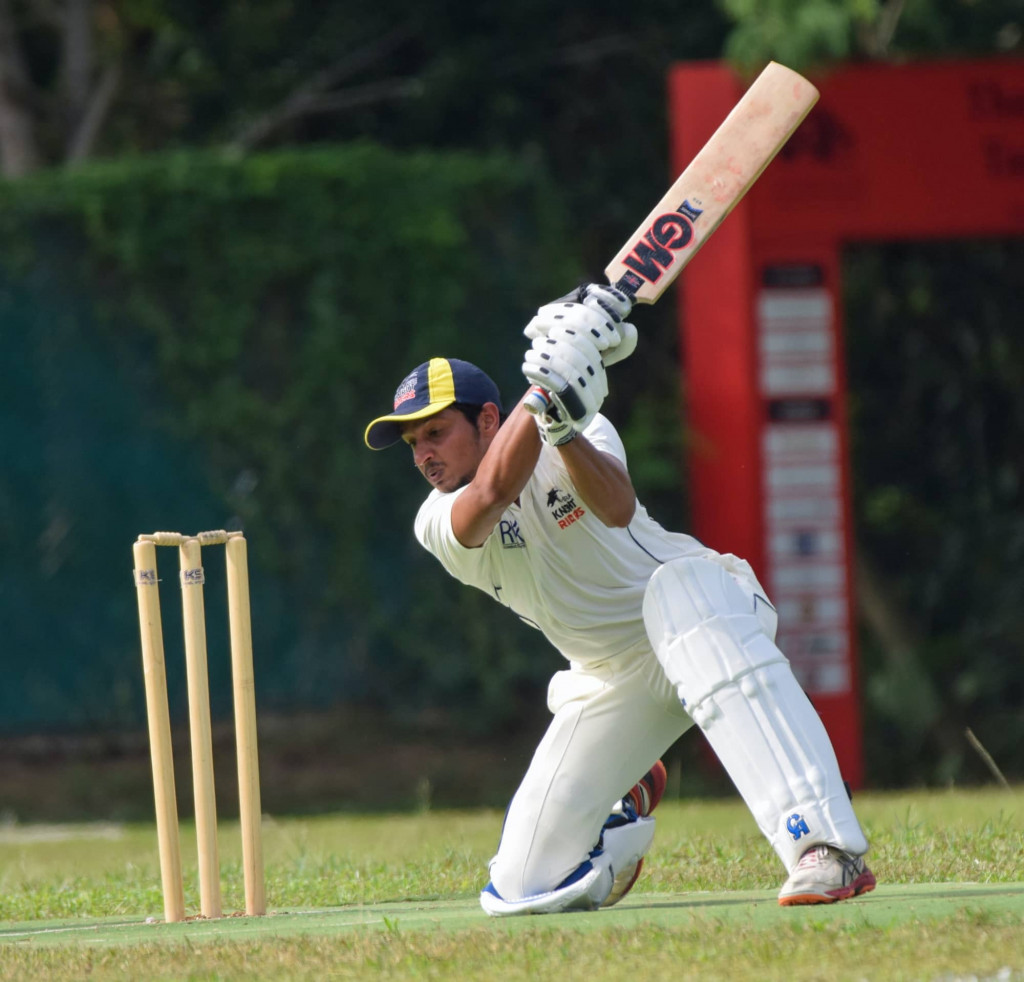
Are cricket and croquet two different things?
Croquet is played mostly by retired people in their leisure time, driving balls into the goalposts with wooden hammers. Like on the Queen’s lawn in Lewis Carroll’s Alice in Wonderland.
Cricket is played in teams in stadiums in front of tens of thousands of spectators. (On the rules, see below.)
Cricket bat is 1.5 times heavier than a baseball bat. A ball thrown by a pro, flies at 150 km / h, and a world-class player can hit it for a hundred meters. This is a serious sport, it requires protective equipment, first-class refereeing and extensive training.
Roughly speaking, croquet is a poor cousin of golf. Cricket is baseball’s big brother.
Do they really play all day?
Only if it’s a short match. A normal match – a so-called test match – lasts five days: six hours a day with a 40-minute lunch break and two 20-minute tea breaks.
The classic series of five test matches, in which two separate national teams regularly find each other out, takes up to a month and a half.
This has advantages. At least in the fact that at the amateur level, a game of cricket perfectly combines with a picnic in the park for a day. And the spectators of a professional match are always guaranteed entertainment from morning till night.
But there are disadvantages. First, not every fan will find so much free time and understanding in the family. Secondly, not every TV channel will risk such volumes of broadcasting.
Third, sports bars, cafes and pubs prefer to entice visitors with broadcasts of other sports, more dynamic and shorter. Even in India, the English Premier League is gaining popularity.
Fourth, cricket has been left out of the Olympics since 1900 because of its awkward format. Finally, it kills amateur sport, a forge of talent. Small and rural clubs are less and less willing to spend every other weekend on cricket.
So in recent years, cricket has been trying to shake off an age-old slumber and transform itself from a waltzing sport of the dedicated into a dynamic spectacle for all. Instead of five-day tests, national teams and clubs now mostly meet in three new one-day formats.
The shortest (English novelty The Hundred) is limited to a hundred ball throws per team and can be compared in length to a soccer match. The most common (T20) is 120 balls per team and lasts about three hours. And a serious world championship format (ODI) – 300 balls per team. Such a game usually takes all day.
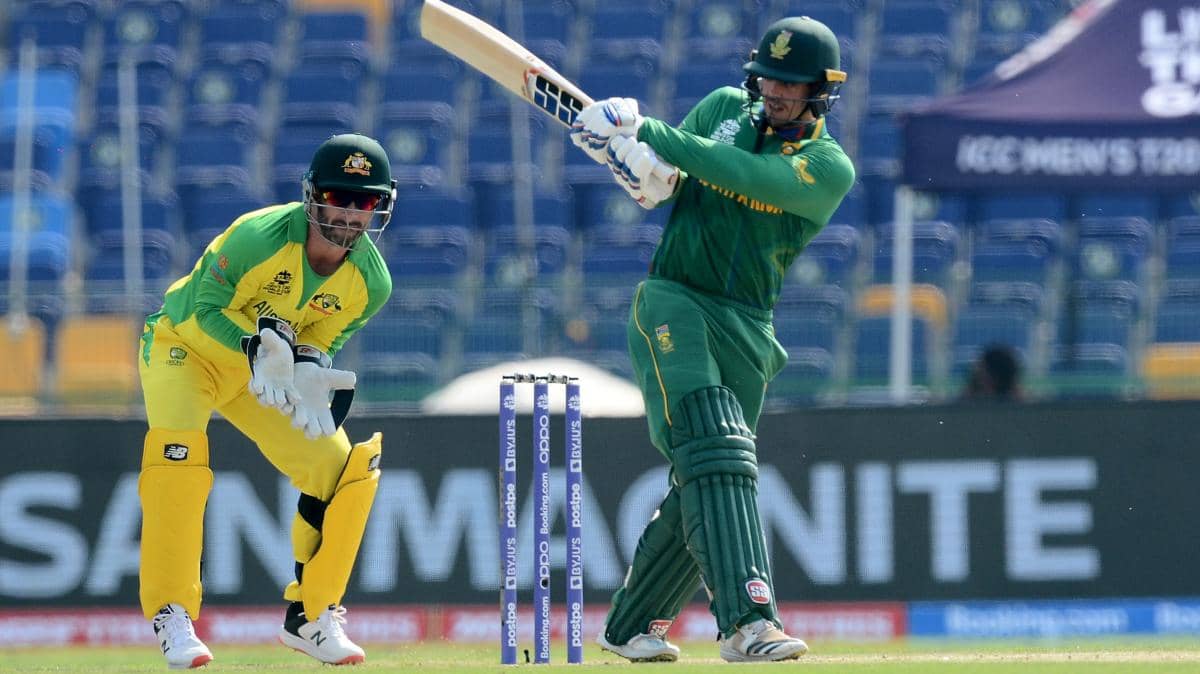
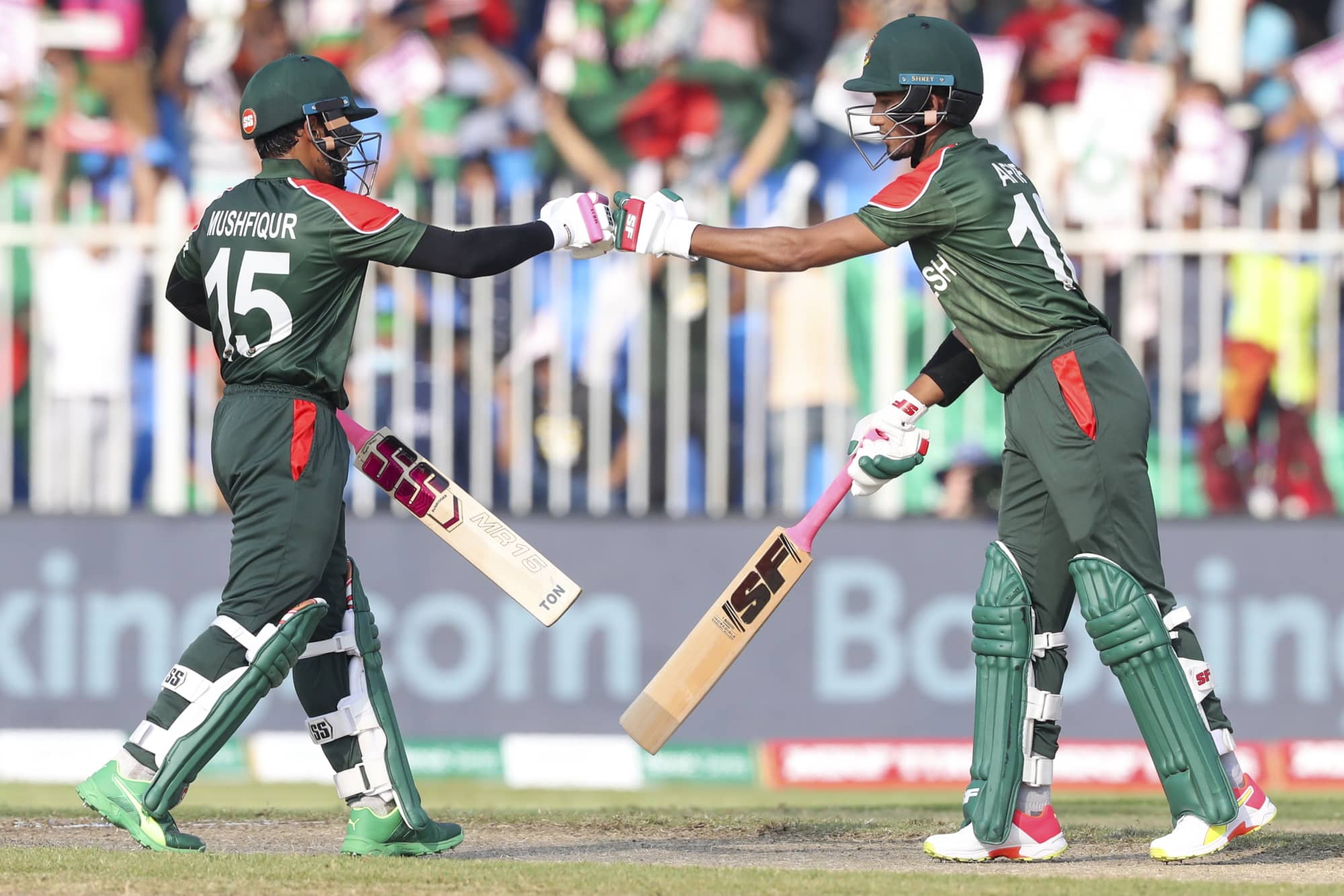
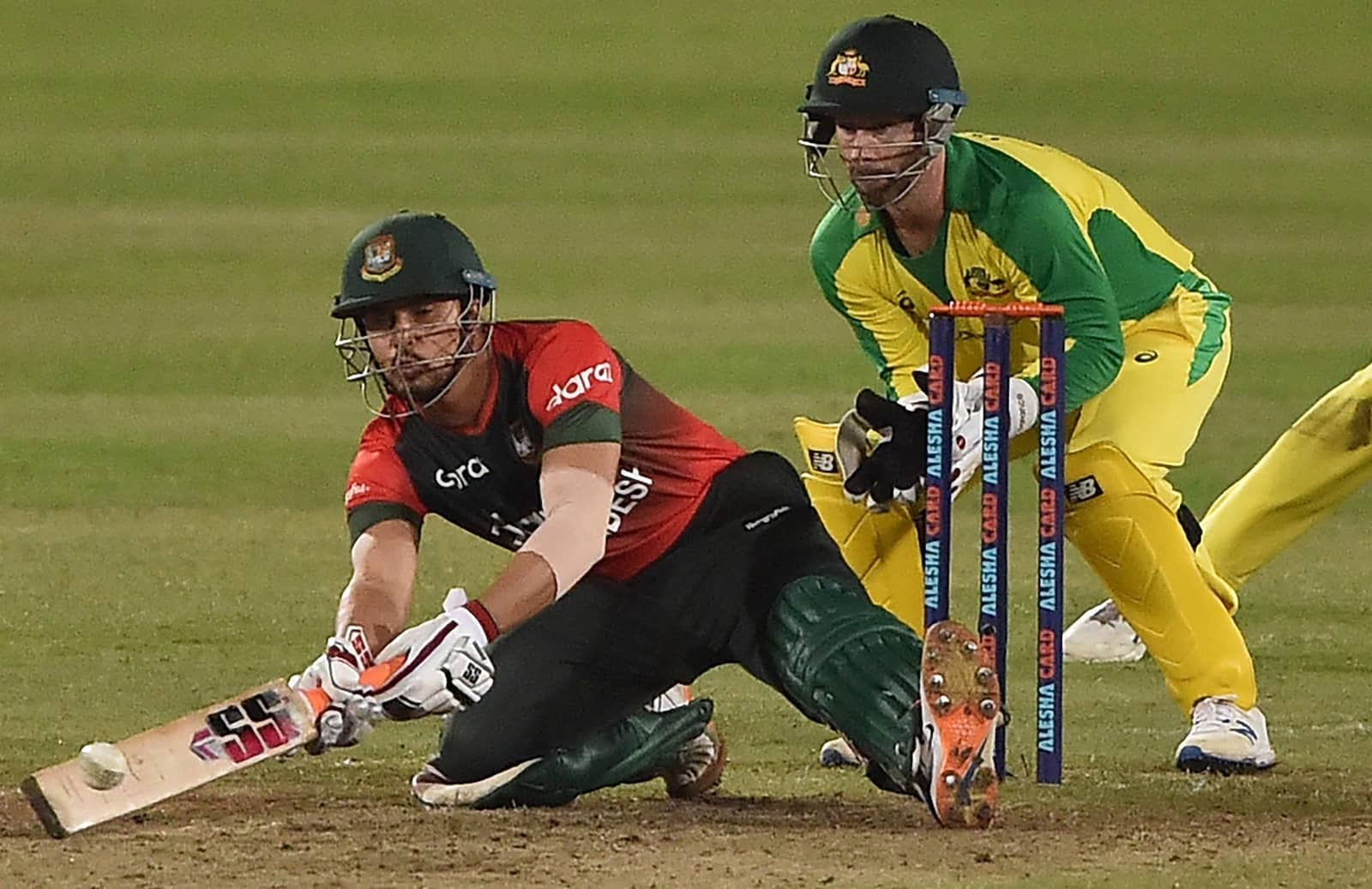
Why are they all in white and then in different colors? And the ball is either red or white?
The multi-day tests play in the traditional white uniforms. And a red ball. That’s the way it’s always been done.
But one-day matches are played in the national or club colors, and the ball is white. Red has been discarded, and here’s why.
Unlike Tests, where the game simply stops at dusk to resume the next morning, one-day matches have to be completed. To that end, one of cricket’s major taboos, artificial lighting, has been removed.
A white ball in the spotlight and against the night sky is more visible than a red one.
And what to do if it rains?
That’s not the only problem. There are also bees.
For the duration of rain, the match is suspended. The field is covered, and special machines pump water off the turf and its central playing part, the pitch, which requires special skills and patience to prepare.
In one-day matches, if the rain doesn’t stop by evening, the game is declared scoreless. But not always: if enough balls are played in the return half, the result is determined by a complex formula devised by English mathematician Tony Lewis.
It not only extrapolates the scores already scored, but also takes into account the behavioral features of one-day cricket, such as the fact that batsmen are more prone to risky and productive strikes towards the end of the match, while bowlers, by contrast, get tired.
Bees are another reason to interrupt the match. Swarm invasion on the pitch is not an uncommon occurrence. The umpires suspend play, everyone falls to the turf and doesn’t get up until the bees lose interest and go away.
Five days of play is an ultramarathon. No amount of strength is enough.
Cricket requires serious physical preparation. But it’s not hockey or soccer, and in principle it’s enough just to be in shape. Which makes it accessible to the masses, who are strangers to strict diets and grueling workouts.
And even the professionals are no exception. That proved the last World Championships, where the Sri Lankan Lasith Malinga and the Afghan Mohammed Shahzad appeared.
Despite the convex retreat from athletic form, Malinga is one of the best bowlers in the world, and Shahzad is Afghanistan’s most prolific batsman.

So what’s the point of the game?
The basic rules are very simple. The nuances and exceptions are another matter. It’s hard to figure them all out, even in a month and a half of almost daily World Cup matches. But that only makes the game more interesting – almost every meeting gives rise to heated debate.
In the mid-19th century, the British even thought of banning competitive cricket for reasons of public safety. Rare game then went without a scuffle and injury – if not murder.
Without going into details, in general terms it looks like this. Two teams of 11, just like in soccer. But they attack and defend in turn.
The first part of the game, one team in full force out on the field and attack the enemy gate (wicket of three columns with two cylinders on top) with the ball. The other team takes turns releasing its players with the bat (batsmen). One by one they defend the wicket, batting and scoring. When all 10 defenders are knocked out or the allotted number of throws is exhausted, the teams switch places. Whoever scores the most points wins.
The highest class batsman is to hit balls so that none of the 11 opposing players can catch them. While the batted ball is rolling down the field, the batsman runs between the two wickets in the middle of the field. One point is awarded for each run. If the ball leaves the field, you don’t have to run – you get four points for rolling and six points for flying out.
Failure of a batsman is when he is knocked out. In three main ways: if the ball directly hits the wicket posts; if it flies off the bat into the hands of the opponent without touching the ground; and if the batsman has hit the ball and run, but the opponent has picked it up and knocked down the posts before the defender has had time to return to the wicket.
The milestone for a batsman is 100 points without a run out. They are ranked in the World Cricket Hall of Fame by the number of hundreds in their careers.
The best batsmen are rarely good in attack. Conversely, those who throw balls, the bowlers, come out with the bat in the last row and rarely stay on the field, they get knocked out quickly. But they are the spearhead of the attack.
The 11-member attacking team is spread out over a large oval field. Their task is to prevent the batsman from striking the ball far and scoring points.
A talented bowler is half the battle. The more intricate or powerful the throw, the greater the chance of knocking down the wicket, and the harder it is for the batsman to aim the ball, which either twists and bounces unpredictably or travels at 150 km per hour.
The other half of the job is the infielders. They have two main tasks. The first is to catch the ball bouncing off the bat before it touches the ground or flies out of the field: that’s the end of the game for the batsman. Second, if the batsman man manages to roll the ball on the turf and starts running, scoring points, you need to pick it up as quickly as possible and return it to the wicket area to either knock it out or minimize the enemy’s runs.
Hall of Fame bowlers are measured by the number of wickets knocked off their innings.
If cricket is so popular, why don’t I even know what it looks like?
Either you don’t like movies or you don’t watch it carefully.
The game of cricket has been portrayed in thrillers (“The Beach” with Leonardo DiCaprio, “Syriana” with George Clooney and Matt Damon), political dramas (“Frost vs. Nixon”), romantic comedies (“A Good Year” by Ridley Scott with Russell Crowe) and even fairy tales (“The Chronicles of Narnia”).
And of course, not a single film about modern India and Pakistan can do without a cricket scene on a dusty wasteland, which is so typical of those places. British filmmakers (Slumdog Millionaire, Marigold Hotel) and Hollywood (Darjeeling Train, Vertical Limit) also enjoy using this cliché.
The gentlemen’s game often appears in English literature, from Dickens to Conan Doyle.

Sir Arthur not only invented Dr. Watson’s past as a cricket player, but he himself wielded the bat beautifully – it is now housed in the museum of the planet’s premier cricket arena, Lord’s Stadium in London.
The creator of Sherlock Holmes was the leader of a team of writers, for which at different times played P.G. Woodhouse, who invented Jeeves and Wooster, Alan Milne, who gave the world a non-sport Winnie the Pooh, Jerome K. Jerome, who put three people in a boat, not counting the dog, and Rudyard Kipling – the poet, best known to the world for his children’s book about Mowgli.
Douglas Adams, born after the war, did not play cricket, but made the game famous in the third installment of Hitchhiker’s Guide to the Galaxy, twisted around cricket. His characters fall out of a space-time anomaly “onto the immaculate lawn of Lord’s Ground and witness an atrocity of galactic proportions: robots from the planet Cricket steal the shrine of Earth cricket, the Ashes. This requires a separate explanation.
Why is an urn with ashes considered a cricket relic?
A small urn with ashes is the most famous trophy in world cricket. Two age-old rivals are fighting for it: England and Australia.
Australia first defeated England in their stadium in a Test match in 1882, and the British press, bemoaning the shame, proclaimed the “death of English cricket,” followed by a cremation and the sending of ashes to Australia. The England team soon followed, vowing to return the ashes to their homeland.
They got their revenge on the road, and an Australian fan gave the English captain a terracotta perfume bottle the size of a palm.

Legend has it that she filled a makeshift urn with the ashes of burnt bales, two small cylinders connecting the three wicket posts. When the wicket is knocked down, the baileys fly merrily in different directions, and the batsman walks dejectedly from the field to the pavilion, like a goalkeeper who missed a decisive penalty kick.
A year later the English captain returned to Australia and the heroes of the story were married.
Since then, the Test match series between Australia and England has been called The Ashes. The next one will begin Aug. 1 and run through mid-September. The English, buoyed by their World Cup victory, are hoping their home walls will help them bring back the trophy as well.
The winner is considered the owner of the Ashes, although the urn itself is always kept in the temple of cricket, the museum of the London Lords. So Adams’ alien robots didn’t have to wander the Earth in search of the treasure.
